

What is the lifespan of graphite ingot molds?
As a seasoned supplier of Graphite Ingot Molds, I've received numerous inquiries about the lifespan of these essential industrial tools. Graphite ingot molds are widely used in various industries for their excellent thermal conductivity, high-temperature resistance, and chemical stability. However, determining their exact lifespan can be a complex task influenced by multiple factors.
Factors Affecting the Lifespan of Graphite Ingot Molds
-
Quality of Graphite Material
The quality of the graphite used in the mold's construction is a fundamental factor. High - grade graphite with low porosity, high density, and uniform structure generally offers better performance and a longer lifespan. Graphite with a high purity level is less likely to react with molten metals, reducing the risk of corrosion and wear. For instance, ultra - fine grain graphite can withstand the mechanical and thermal stresses during the casting process more effectively than lower - quality graphite. -
Casting Temperature and Metal Type
The temperature at which the casting takes place and the type of metal being cast have a significant impact on the mold's lifespan. Higher casting temperatures can cause more rapid oxidation and thermal expansion of the graphite, leading to cracks and surface degradation. Different metals also have different chemical reactivities. For example, casting reactive metals like aluminum or magnesium can cause more severe corrosion of the graphite mold compared to less reactive metals like copper or iron. -
Casting Frequency and Cycle Time
The frequency of use and the cycle time of the casting process are crucial. Frequent casting without sufficient cooling time can lead to overheating of the mold, which accelerates wear and tear. A short cycle time may not allow the mold to cool down properly between casts, increasing the internal stresses and reducing its overall lifespan. On the other hand, a well - planned casting schedule with appropriate cooling intervals can significantly extend the life of the graphite ingot mold. -
Mold Design and Machining Quality
The design of the graphite ingot mold plays an important role. A well - designed mold with proper wall thickness, draft angles, and gating systems can ensure even distribution of the molten metal and reduce the stress concentration on the mold surface. Additionally, high - quality machining is essential. Any rough surfaces or machining defects can act as stress concentrators, leading to premature failure of the mold. -
Maintenance and Handling
Proper maintenance and handling of the graphite ingot molds are vital for their longevity. Regular cleaning to remove metal residues and oxidation products can prevent the build - up of contaminants that can damage the mold surface. During handling, care should be taken to avoid impacts and scratches, as these can compromise the integrity of the mold and make it more susceptible to failure.
Typical Lifespan Ranges
It is difficult to provide an exact lifespan for graphite ingot molds due to the variability of the factors mentioned above. However, in general, under normal operating conditions, a well - made and properly maintained graphite ingot mold can last for several hundred to a few thousand casting cycles.
For small - scale or low - volume casting operations with relatively low - temperature and less reactive metals, the mold may last for 500 - 1000 casting cycles. In medium - scale industrial applications with moderate casting temperatures and more frequent use, the lifespan can range from 1000 - 3000 cycles. In large - scale, high - volume casting of reactive metals at high temperatures, the mold may need to be replaced after 300 - 800 cycles.
Extending the Lifespan of Graphite Ingot Molds
-
Selecting the Right Graphite Grade
Choose a graphite grade that is suitable for the specific casting application. Consult with graphite experts or suppliers to determine the best grade based on the casting temperature, metal type, and casting frequency. For high - temperature applications or casting reactive metals, high - purity and fine - grain graphite grades are recommended. -
Optimizing the Casting Process
Adjust the casting process parameters such as temperature, cycle time, and pouring rate to minimize the stress on the mold. Ensure proper cooling between casts to prevent overheating. Implementing a pre - heating process can also reduce the thermal shock on the mold during the initial contact with the molten metal. -
Regular Maintenance
Establish a regular maintenance schedule. Clean the molds after each casting cycle using appropriate cleaning agents. Inspect the molds for any signs of wear, cracks, or corrosion, and address any issues promptly. Apply protective coatings if necessary to enhance the mold's resistance to oxidation and corrosion. -
Proper Handling and Storage
Train the operators on proper handling techniques to avoid accidental damage to the molds. Store the molds in a dry and clean environment to prevent moisture - related corrosion. Use appropriate storage racks or containers to support the molds and prevent deformation.
Our Role as a Graphite Ingot Molds Supplier
As a supplier of Graphite Ingot Molds, we are committed to providing high - quality products and comprehensive support to our customers. We offer a wide range of graphite grades and mold designs to meet the diverse needs of different industries. Our team of experts can assist you in selecting the right mold for your specific application, optimizing the casting process, and providing guidance on maintenance and handling.
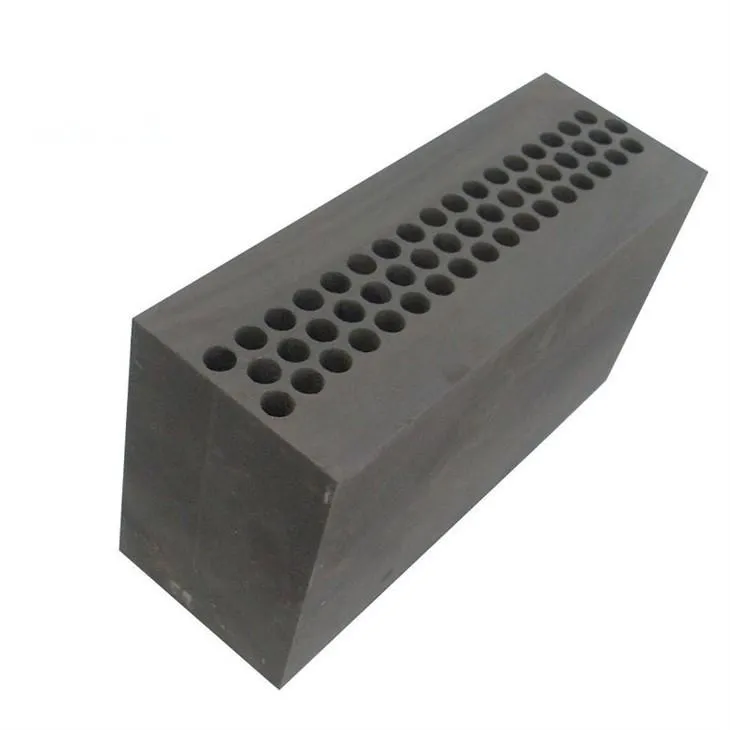

In addition to graphite ingot molds, we also supply Die Mold Casting Graphite Mold for more complex casting requirements. These molds are designed with precision to ensure high - quality castings and long - term performance.
If you are looking for reliable graphite ingot molds or need advice on extending the lifespan of your existing molds, we invite you to contact us for a consultation. Our experienced sales team is ready to discuss your needs and provide you with customized solutions. We look forward to the opportunity to partner with you and contribute to the success of your casting operations.
References
- "Graphite: A Versatile Material for Industrial Applications" by John Smith, Industrial Materials Journal, 2018.
- "Casting Technology and Mold Design" by David Brown, Casting Engineering Press, 2020.
- "The Effect of Graphite Quality on Casting Mold Performance" by Emily Green, Graphite Research Institute, 2019.


