

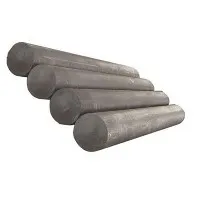
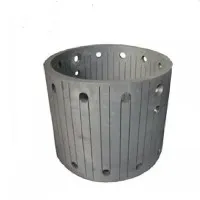


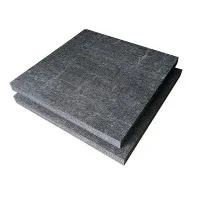


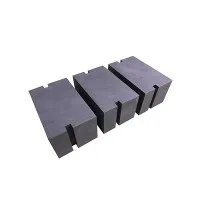


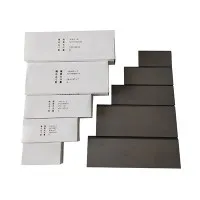
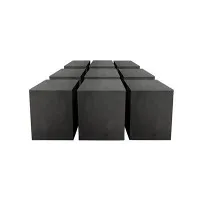


Graphite Crucible
Why Choose Zibo Jinpeng Composite Materials Technology Co., Ltd.?

Zibo Jinpeng Composite Materials Technology Co., Ltd. is located in Wangcun Town, Zibo City, Shandong Province, which is a famous graphite carbon industry base in China. Our company mainly produces and processes graphite carbon materials. It has a complete production process and marketing system. It has been engaged in the production and processing of graphite products for more than 20 years. It has built its own production and processing process system and has three national invention patents. It has established extensive technical cooperation relationships with well-known domestic university laboratories such as Shandong University of Technology and Northwestern Polytechnical University and has produced graphite parts for many well-known companies. It has its own related industrial R&D system and testing and testing equipment.
Professional Technical Team
We have more than 20 years of experience and dozens of senior engineers in the graphite R&D, production and manufacturing industry. Whether it is the research and development of graphite raw materials, the precise processing of graphite parts, and the graphitization and purification of related products, our high-level technical team can customize professional solutions for you.
Wide Range of Applications
Our product application range includes the glass industry, high temperature furnace industry, refractory industry, plastics industry, semiconductor electronics industry, photovoltaic industry, pharmaceutical and chemical industry, aerospace industry, metallurgical industry, automotive industry, renewable energy industry, textile machinery manufacturing, glass machinery manufacturing.
Professional Service
Fully communicate with customers before sales, provide professional product suggestions and technical support according to customer needs, and ensure the high quality of products in manufacturing, packaging, logistics and other aspects. During the sale period, Zibo Jinpeng Graphite Factory not only provides on-time delivery services but also provides comprehensive after-sales technical support such as lifetime warranty, technical consultation and problem diagnosis to ensure customer satisfaction and trust. In terms of after-sales service, we attach great importance to customer feedback, promptly solve problems and concerns raised by customers, and continuously improve service quality and efficiency based on customer experience and suggestions.
Wide Product Range
Our main products are Graphite heating elements, Graphite felt & carbon felt & rigid felt, Graphite crucible, etc. At present, North America, Eastern Europe and Southeast Asia are Zibo Jinpeng's main international cooperation destination markets. Thanks to stable product quality and excellent material properties, the graphite products produced by Zibo Jinpeng have a high market share in the fields of smelting, chemical industry, and high-temperature industrial furnace accessories.


What is Graphite Crucible?
A graphite crucible is a container used for melting and casting non-ferrous, non-iron metals such as gold, silver, aluminum, and brass. Their thermal conductivity, high temperature resistance, small thermal expansion coefficient for high temperature applications, and anti-strain properties to rapid heating and cooling make graphite crucibles an ideal metal casting tool. They are resistant to the effects of acids and alkaline solutions and have excellent chemical stability.
Graphite is produced from natural graphite, a naturally occurring crystalline form of carbon and is manufactured by combining graphite with fire resistant clay or carbon dioxide. Synthetic graphite is made by processing petroleum pitch and petroleum coke, which are byproducts of the oil refining process. It has a purer high fixed carbon content with very few impurities and a low sulfur content.
The quality of a graphite crucible is determined by how it is manufactured, which influences its structure, density, porosity, and strength.
Features of Graphite Crucible
*Graphite crucible, the main feature is resistant to more than 2000 degrees Celsius temperature. Its chemical composition is almost all C, from 99% to 99.999999% have different uses, mainly used for melting high purity silicon and insoluble carbon refractory metals and as ultra- High-temperature heating elements.graphite crucible has excellent thermal stability;
*Graphite crucible has excellent corrosion resistance, impact resistance function, so to ensure product quality and reliability;
*With good neutron deceleration performance, act the first time as a slowdown agent for atomic reactors, graphite reactor is currently used as an atomic reactor mostly. The decelerating material in the nuclear reactor used as a power source should have high melting point, stable and corrosion resistance.
*Graphite crucible has excellent heat conductivity: can greatly shorten the melting time, saving energy;
*Graphite crucible has excellent resistance to acid, alkali.
*No outgassing.
Types of Graphite Crucible
Copper Graphite Crucible
Copper based alloys that are melted in a fuel fired furnace are processed using a silicon carbide graphite crucible due for thermal shock resistance.
01
Aluminum Graphite Crucible
Crucibles for the processing of aluminum and aluminum alloys are carbon or ceramic bonded clay graphite and silicon carbide since these metals melt at 400°C or 750°F to 1600°C or 2912°F.
02
Gold Graphite Crucible
Graphite crucibles used for melting gold are made of a superior grade graphite and have thermal shock resistance, thermal stability, oxidation resistance, and excellent mechanical strength. They are designed to withstand temperatures of over 2000° C or 3632°F.
03
Silver Graphite Crucible
Graphite crucibles for melting silver are similar to those used to melt gold and capable of withstanding temperatures over 2000° C or 3632° F. The body of the crucible is made of natural graphite and keeps its chemical and physical properties. When melting at a high temperature, the thermal coefficient is small but has strain resistance to rapid heating or cooling.
04
Brass Graphite Crucible
Brass has a low melting point and must be heated rapidly before the component metals oxidize. For working with brass, a graphite crucible is ideal due to its durability and ability to heat up quickly.
05
Advantages of Graphite Crucible

1. Excellent Heat Performance: Graphite crucibles have excellent heat performance, allowing them to quickly melt metals for faster production cycles.
2. Resistance to Chemicals and Corrosion: Graphite crucibles are resistant to chemicals and corrosion, making them durable and long-lasting. They are not affected by workshop conditions, ensuring their reliability in various environments.
3. High Temperature Resistance: High-purity graphite crucibles are designed to withstand temperatures up to 3000 degrees Celsius (5472 degrees Fahrenheit). This makes them ideal for melting metals such as aluminum, copper, and brass without the risk of contamination or damage due to heat stress.
4. Lockable Lids: Most graphite crucibles come with lockable lids, making it easier to maintain an even temperature while the molten material cools quickly after use.
5. Enhanced Corrosion Resistance: High-purity graphite crucibles offer enhanced corrosion resistance, ensuring the reliability and quality of the materials being melted.
6. Improved Strength and Stability: Graphite crucibles made of high-purity graphite have improved strength and stability at higher temperatures, allowing for extended service life.


7. Chemical Inertness: Graphite crucibles do not react with the substances being melted inside them, thanks to their chemical inertness. This means that they do not require additional linings for protection against harmful elements like sulfur, which can cause premature failure in certain materials.
8. Cost-saving Alternative: Graphite crucibles are a cost-saving alternative to crucibles made of metals like copper, platinum, quartz, or porcelain. They offer similar performance at a lower cost.
9. Wide Range of Sizes: Graphite crucibles are available in many sizes, and they can be custom-made to fit specific manufacturing requirements, although this may incur a higher cost. Standardized sizes are also available.
Application of Graphite Crucible

Fuel Fired Furnace
A fuel fired furnace is powered by gas, oil, propane, or coke and requires a graphite crucible capable of withstanding the maximum amount of energy or BTUs from the furnace. Gas, oil, and propane-fueled furnaces use crucibles designed to withstand the burner flame around the tapered shape of the crucible, which allows for the even distribution of heat.
Electric Resistance Furnace
Graphite crucibles for electric resistance furnaces must be specially designed since electric furnaces heat up much slower than fuel fired furnaces. Crucibles have to have a high graphite content in the carbon binder for energy savings and high thermal conductivity. They are basin shaped and are placed at equal distance from the heating elements.
Induction Furnace
The selection for fuel fired and electric furnaces graphite crucibles is much easier than selecting one for an induction furnace. In one type of induction furnace, crucibles are used to melt the charge, while in other types, the inductive field passes through them. The crucible must match the operating frequency of the furnace and the specific application. In low frequency furnaces, the crucible is made with high silicon and carbide content. In high frequency furnaces, they are made of clay. Correct matching prevents overheating the crucible.
Removable Crucible Furnaces
Furnace crucibles are "A" shaped so that they can be lifted with tongs to be removed from the furnace to pour out the molten metal. They can be charged inside or outside of the furnace and allow for pouring their contents.


Tilting Furnace
A graphite crucible for a tilting furnace remains stationary as the furnace tilts to pour the molten metal. Tilting furnaces can be either induction or electrical and are capable of melting steel, iron, copper, brass, gold, platinum, silver, nickel, palladium, and their alloys.
Pit Furnace
A pit furnace is located below ground level. The crucible is lowered into the furnace and has the metal to be melted placed in it. Coke is packed around the crucible in the heating chamber. Once the metal is melted, the crucible is lifted out.
How Graphite Crucibles are Used
The non-reactive nature of graphite crucibles makes them ideal for use in the casting process. Their excellent heat performance helps in melting metals quickly for faster production cycles. Since graphite crucibles are resistant to chemicals and corrosion, they are not affected by workshop conditions, characteristics that make them durable and long lasting.
During casting, temperatures are increased to decrease the tensile and yield strength of the metals alloys being cast. The temperature at which metals melt varies depending on the type of metal. Factors that influence casting are the temperature of the alloy being cast and the temperature of the crucible. Graphite crucibles are exceptionally capable of providing the proper vessel for casting due to their high resistance to the effects of increases in temperature, regardless of the type of metal alloy.
The many hundreds of shapes of graphite crucibles are categorized by letters, which begin with A. Each form is divided into subcategories that are determined by the crucibles inside diameter (d or ID), outer diameter (D or OD), and height (H) and its shape. The crucible pictured below is cylindrical with a flat bottom and no spout or lid.
The different forms of graphite crucibles also refer to their shapes, which vary as widely as the different dimensional forms. They can be cylindrical with or without a spout, shaped like a cup, or include a top edge and lid, to name a few.
Graphite crucibles have slowly developed into an essential part of metal forming. They can be as small as teacups or large enough to hold several tons of molten metal and be permanent parts of furnaces.
Graphite crucibles are used in fuel fired, electric, and induction furnaces or as a method for transferring and moving molten metals. They have to be designed to fit the temperature, chemical, and physical requirements of the specific operation.
The Manufacture of Graphite Crucibles
Methods for manufacturing graphite crucibles are vibration molding, isostatic pressing, and compression molding. The quality of a graphite crucible is determined by the method that is used to manufacture it, which determines its structure, density, porosity, and its mechanical strength.

Isostatic Pressing
The molding process forms graphite crucibles by isostatic pressure using powder metallurgy. Equal pressure is applied to the powder to uniformly compact it to the proper density and microstructure. The process can be performed cold or hot. Graphite crucibles formed by this method have excellent properties that are uniformly distributed throughout the entire mass without a grain direction, or are anisotropic.
The high density and small particle size of this type of crucible creates a very strong machinable graphite tool with resistance to high temperatures in controlled environments, electro-conductivity, and self lubricating properties.

Compression Molding
Compression molding follows the same principles as isostatic molding where a fine powder is placed under great pressure. To form the crucible, hydraulic pressure is applied to graphite powder in a steel mold. The advantages of compression molding are its simple process, short production cycle, high efficiency, low labor costs, less shrinkage, and high product quality.
Graphite crucibles produced by compression molding have a fine grain structure that can be used to replace more expensive isostatically pressed graphite crucibles. The limitation to the process is the restriction on the dimensions of the crucibles.

Vibration Molding
Vibration molding is used to produce large crucibles and includes the use of a pasty mixture of graphite. The pasty mixture is placed in the mold and a metal plate is placed over it. The mixture is compacted by vibrating the mold. After compacting, the molded crucible is baked for two or three months at temperatures close to 1000o C. In order to avoid cracks or defects, the temperature is precision controlled. At the end of the baking process, the crucible will have achieved its desired hardness.
Care of Graphite Crucibles
The handling and care of a graphite crucible determines how well it will perform and last. Though the failure of a crucible may seem to be related to its use, in many instances, it is from how the crucible is handled, operated, and maintained that determines its length of usefulness. Basic operational practices and procedures can prevent the early demise of a crucible.
Inspection
The first step in crucible handling begins when it arrives. Newly received crucibles should be inspected for chips, cracks, or abrasions.
Stacking
Stacking of crucibles inside each other leads to cracking and should be avoided.
Moisture
An enemy to graphite crucibles is moisture. They have to be stored in ventilated and dry areas to avoid any contact with moisture.
Thermal Shock
To avoid thermal shock to a crucible, it should be preheated especially if it is allowed to cool between uses. Thermal shock cracks the crucible if it is heated too quickly.
Charging
To properly charge a crucible, it should first be loaded with small charge materials and then loaded with larger ones. Materials to be processed should not be packed tightly since they will expand and crack the crucible.
Flux
Though crucibles are designed to resist chemicals, they can be damaged by flux, which should be added after the materials are fully molten. When flux is added and the worked material is solid, the flux attacks the surface of the crucible.
Direct Flame
Fuel fired furnaces have a direct flame burner that may have excess air. The excess air and direct flame causes oxidation damage to the surface of the crucible. Oxidation can also occur if the melted metal is held at a minimal temperature for an extended period of time.
Dross
Dross or slag buildup has a low thermal conductivity, which requires the furnace to burn hotter. The buildup absorbs flux that increases the chemical attack on the crucible's surface. This can be prevented by regular removal of dross.
Cleaning
Cleaning a crucible involves the removal of chemicals from processing, which involves the use of hydrochloric acid that dissolves most compounds except for carbon ones. To remove carbon compounds, nitric acid is used. Once the acids have done their work, they can be removed with potassium pyrosulfate, sodium carbonate, or borax to melt and remove cleaning agents.
Temperature Limit
Crucibles are designed to endure a specific temperature, which differs according to the type of material being worked. Exceeding the temperature limit can seriously damage or destroy the crucible. This is prevented by carefully monitoring the crucible during its use.
Preheating
Prior to using a crucible, it should be preheated at 500oF or 260oC for two hours and allowed to cool slowly. This process removes any residual moisture and prevents cracking.
Crucible Tongs
Tongs should match the shape and design of the crucible and should not place any pressure on the sides of the crucible.
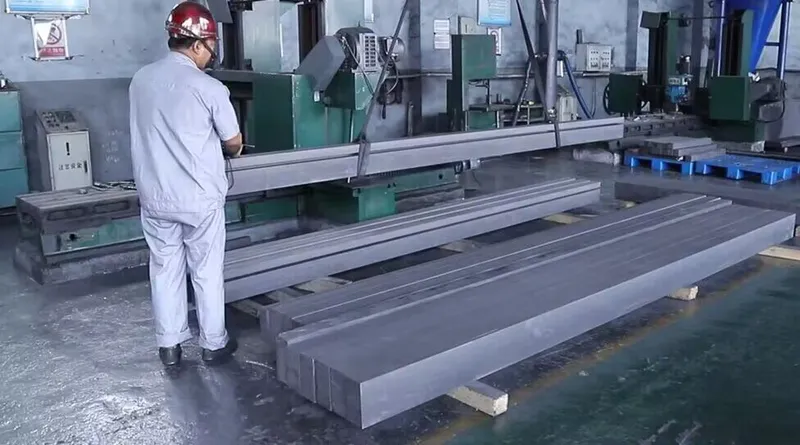
Our Factory
We have a complete factory production, quality supervision and delivery.

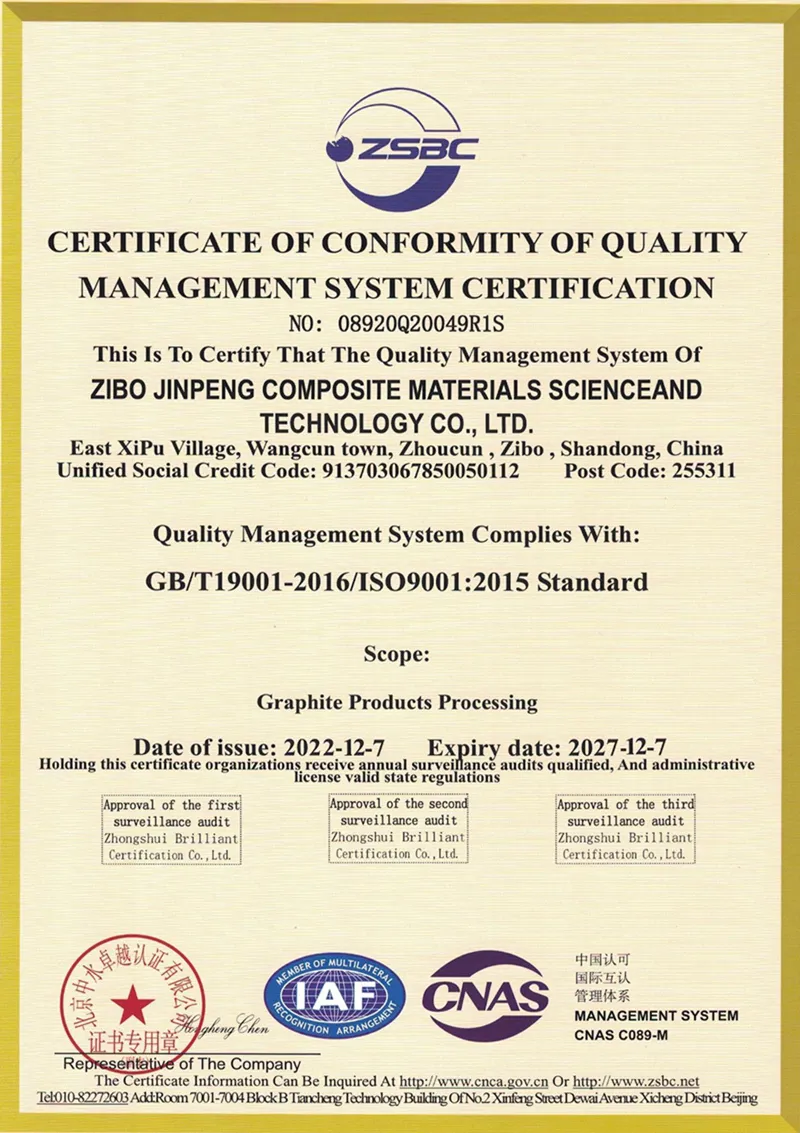
Our Certificate
At present, we have obtained the following certificates.
Ultimate FAQ Guide to Graphite Crucible
Q: 1. What are graphite crucibles used for?
Q: 2. What is a graphite crucible made of?
Q: 3. What are the advantages of graphite crucibles?
Q: 4. What are the different types of graphite crucibles?
Q: 5. How do you choose the right graphite crucible for your application?
Q: 6. How do you prepare a new graphite crucible for use?
Q: 7. What is the maximum operating temperature of a graphite crucible?
Q: 8. How do you clean a graphite crucible?
Q: 9. What are some common problems encountered with graphite crucibles?
Q: 10. How often should graphite crucibles be replaced?
Q: 11. Can graphite crucibles be recycled?
Q: 12. What is the difference between a clay-graphite crucible and a silicon carbide crucible?
Q: 13. Is there a difference between using a new graphite crucible versus a used one?
Q: 14. What is the difference between a high-purity graphite crucible and a regular graphite crucible?
Q: 15. How long can graphite crucibles be stored?
Q: 16. Are graphite crucibles safe to use?
Q: 17. What are the dimensions of a graphite crucible?
Q: 18. How do you dispose of a used graphite crucible?
Q: 19. Can graphite crucibles be repaired?
Q: 20. What is the lifespan of a graphite crucible?