

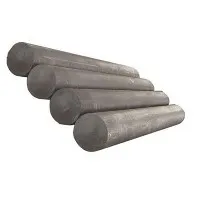
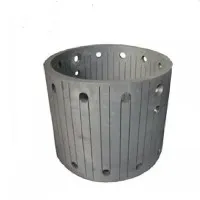


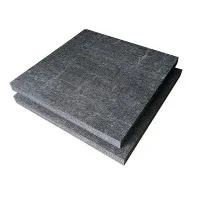


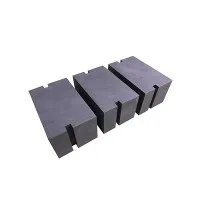


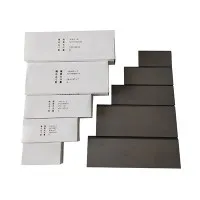
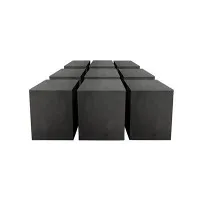


Graphite Heating Elements
Why Choose Zibo Jinpeng Composite Materials Technology Co., Ltd.?

Zibo Jinpeng Composite Materials Technology Co., Ltd. is located in Wangcun Town, Zibo City, Shandong Province, which is a famous graphite carbon industry base in China. Our company mainly produces and processes graphite carbon materials. It has a complete production process and marketing system. It has been engaged in the production and processing of graphite products for more than 20 years. It has built its own production and processing process system and has three national invention patents. It has established extensive technical cooperation relationships with well-known domestic university laboratories such as Shandong University of Technology and Northwestern Polytechnical University and has produced graphite parts for many well-known companies. It has its own related industrial R&D system and testing and testing equipment.
Professional Technical Team
We have more than 20 years of experience and dozens of senior engineers in the graphite R&D, production and manufacturing industry. Whether it is the research and development of graphite raw materials, the precise processing of graphite parts, and the graphitization and purification of related products, our high-level technical team can customize professional solutions for you.
Wide Range of Applications
Our product application range includes the glass industry, high temperature furnace industry, refractory industry, plastics industry, semiconductor electronics industry, photovoltaic industry, pharmaceutical and chemical industry, aerospace industry, metallurgical industry, automotive industry, renewable energy industry, textile machinery manufacturing, glass machinery manufacturing.
Professional Service
Fully communicate with customers before sales, provide professional product suggestions and technical support according to customer needs, and ensure the high quality of products in manufacturing, packaging, logistics and other aspects. During the sale period, Zibo Jinpeng Graphite Factory not only provides on-time delivery services but also provides comprehensive after-sales technical support such as lifetime warranty, technical consultation and problem diagnosis to ensure customer satisfaction and trust. In terms of after-sales service, we attach great importance to customer feedback, promptly solve problems and concerns raised by customers, and continuously improve service quality and efficiency based on customer experience and suggestions.
Wide Product Range
Our main products are Graphite heating elements, Graphite felt & carbon felt & rigid felt, Graphite crucible, etc. At present, North America, Eastern Europe and Southeast Asia are Zibo Jinpeng's main international cooperation destination markets. Thanks to stable product quality and excellent material properties, the graphite products produced by Zibo Jinpeng have a high market share in the fields of smelting, chemical industry, and high-temperature industrial furnace accessories.


What are Graphite Heating Elements?
Graphite heating elements are typically used in vacuum furnaces where oxygen and other gases are evacuated from the heating chamber. The absence of oxygen not only prevents oxidation of the molten metals, but also the heating element itself. Graphite is ideal for vacuum heating elements. The graphite elements are highly inert and the material actually increases in strength as it becomes hotter. Another feature of the material is that it has a low expansion coefficient and is resistant to degrading due to constant heat cycling therefore, it has a good lifespan in this respect and a relatively fast ramp rate.
Features of Graphite Heating Elements
* Low Wettability to Molten Metals
* Fine-Grain
*High Density
* Homogeneous Structure
*High Mechanical Strength
*Excellent Thermal Conductivity.
Types of Graphite Heating Elements
Dense Graphite Heating Element:
This type of graphite heating element is made up of pure carbon graphite materials that are densified to create a solid and durable structure. They are commonly used in high-temperature applications and have excellent thermal conductivity.
Isostatically Pressed Graphite Heating Element:
This type of graphite heating element is made by using isostatic pressure to press graphite powders into a specific shape. The resulting structure is dense and highly uniform, which provides excellent heat transfer performance.
Extruded Graphite Heating Element:
Extruded graphite heating elements are made by extruding pure graphite materials into a specific shape. This type of heating element is highly versatile and can be made in a wide range of shapes and sizes that are suited for different applications.
Resin-Bonded Graphite Heating Element:
Resin-bonded graphite heating elements are made by bonding graphite materials with a resin binder. This type of heating element is durable and can withstand high temperatures, but it is not as thermally conductive as other types of graphite heating elements.
Carbon Fiber Graphite Heating Element:
Carbon fiber graphite heating elements are made by weaving carbon fibers into a graphite matrix. This type of heating element is lightweight and is often used in aerospace applications. It is also highly conductive and has a low thermal mass, which makes it an excellent choice for applications that require rapid heating and cooling.
Benefits of Graphite Heating Elements
Improved Energy Efficiency
Graphite heating elements have a high thermal conductivity, which means they can transfer heat to the surrounding material more efficiently. This can lead to reduced energy consumption and lower operating costs.
Faster Heating Times
The high thermal conductivity of Graphite heating elements also allow them to heat up materials more quickly than other types of heating elements. This can reduce processing times and increase productivity.
Greater Temperature Control
Graphite heating elements can provide precise temperature control, allowing for more accurate and consistent heating of materials. This can result in higher quality products and reduced scrap rates.
Longer Lifespan
Graphite heating elements are highly durable and can withstand extreme temperatures and harsh operating conditions. This can result in longer lifespans and reduced maintenance costs compared to other types of heating elements.
Application of Graphite Heating Elements
The graphite heater requirements generate a stable thermal field used in the heating furnace, so the graphite should be homogeneous and has stable resistivity. The graphite electrode was the heating body in the early selection of industrial furnace, and the high density and power electrode was used as heating element later (smelting quartz glass also used graphite electrode as the heating element). In the semiconductor industry development and refining silicon, single crystal germanium, gallium, indium, indium, and other materials, the high-purity graphite with fine structure and homogeneous graphite were used as graphite heating in the heating furnace. The carbon cloth or graphite cloth were used in some special industrial furnace and experimental furnace as the heating body.

How to Choose Graphite Heating Elements?

1. Use graphite heating elements with good red heat uniformity in the heating part. The poor red heat uniformity of the rod will affect the uniformity of the furnace temperature and shorten the service life of the rod. During use, the red heat uniformity of the rod will gradually become worse, and the rod will be broken in severe cases.
2. The life of the graphite rod will be shorter as the use temperature is higher, especially when the surface temperature of the rod exceeds 1500°C, the oxidation rate will increase and the life will be shortened. Please be careful not to make the surface temperature of the graphite rod too high during use.
3. After the graphite rod is heated in the air, a dense silicon oxide film is formed on the surface, which becomes an anti-oxidation protective film, which prolongs the life. Intermittent use, as the temperature of the kiln rises and falls, the protective film on the surface of the rod will be broken, the protective effect will be weakened, and the resistance value of the rod will increase.
In order to ensure the stability of the furnace temperature and meet the needs of rapid heating, the supporting electrical control system should leave enough voltage adjustment margin-that is: when the new rod is new, it can meet the furnace design and operating power at a lower voltage; With the continuation of the use time, the resistance value of the rod becomes larger. At this time, it is necessary to increase the use voltage accordingly to meet the furnace design and use power.
Voltage margin value: The voltage of the graphite rod in the later period of use is generally 1.5-1.7 times the voltage of the new rod. According to the different voltage regulation methods and wiring methods, the upper limit of the later voltage is generally 220V or 380V as the calculated value.
To adjust the power of the graphite rod, it is recommended to adjust the power by adjusting the voltage. It is recommended that the graphite rod is used to adjust the pressure by using a silicon controlled rectifier or a voltage regulator. Generally, it is not adjusted by changing the frequency of the power regulator.


4. Under normal circumstances, the surface load density of graphite heating elements is obtained from the relationship between the furnace temperature and the surface temperature of the graphite heating elements. It is recommended to use the power of the maximum surface load density of the graphite heating elements 1/2-1/3. The greater the amount of current applied to the graphite rod, the higher the surface temperature of the graphite rod. It is recommended to use the smallest possible surface load density (power).
Please note that the value recorded on the cold end of the graphite rod is the current and voltage measured in the air in the range of 1050℃+-50℃, which may not be consistent with actual use.
5. When using graphite heating elements continuously, hope to increase the voltage slowly to maintain a long life.
6. Graphite heating elements are connected in parallel as much as possible. If the resistance values of the graphite heating elements are different, the load of the graphite heating elements with high resistance will be concentrated when connected in series, which will cause the resistance of a certain graphite rod to increase rapidly and its life will be shortened.
At the same time, it is necessary to strengthen the matching group of resistance value, that is, the resistance value of the same group of rods should be as close as possible. Generally, the resistance value deviation of the same group of rods in parallel is within 10%-15%, and the deviation of the resistance value of the same group of rods in series is within 5%-10%. The higher the furnace temperature, the smaller the required resistance deviation.

Working Principle of Graphite Heating Elements
The sample is quantitatively injected into the graphite tube with a sampler, and the graphite tube is used as the resistance heating element, and the temperature rises rapidly after power on, so that the sample can achieve the purpose of atomization.
It consists of heating power supply, protective gas control system and graphite tubular furnace.
An external power source is applied to both ends of the graphite tube to supply energy to the atomizer, and the current passes through the graphite tube to generate a temperature as high as 3000 ℃, so that the measured element in the graphite tube becomes a ground state atomic vapor.
The protective gas control system is to control the protective gas. The instrument is started, the protective gas Ar flows through, and after the air burning is completed, the Ar gas flow is cut off. The Ar gas in the outer gas path flows along the outer wall of the graphite tube to protect the graphite tube from ablation. The Ar gas in the inner path flows from both ends of the tube to the center of the tube and flows out from the center hole of the tube to effectively remove the drying and ashing. The matrix vapor generated in the process protects the atomized atoms from being oxidized.
In the atomization stage, ventilation is stopped to extend the average residence time of atoms in the absorption zone and avoid the dilution of atomic vapor.
In the graphite furnace atomization system, the flame is replaced by an electrically heated graphite tube placed in an argon atmosphere. Argon gas can prevent the graphite tube from rapidly oxidizing at high temperature and remove the matrix components and other interfering substances from the light path during the drying and ashing stages. A small amount of sample (1 to 70 mL, usually around 20 mL) is added to the pyrolytic coated graphite tube. The pyrolytic coating on the graphite tube can effectively prevent the oxidation of the graphite tube, thereby prolonging the service life of the graphite tube. At the same time, the coating can also prevent the sample from invading the graphite tube to improve sensitivity and repeatability.
The graphite tube is heated by the electric current, and the magnitude of the electric current is controlled by the programmable control circuit, so that the sample in the graphite tube can be heated according to a series of heating steps during the heating process to remove the solvent and most of the matrix components and then atomize the sample. Generate free atoms in the ground state. The decomposition of molecules depends on factors such as the atomization temperature, heating rate, and the surrounding environment of the hot graphite tube wall.
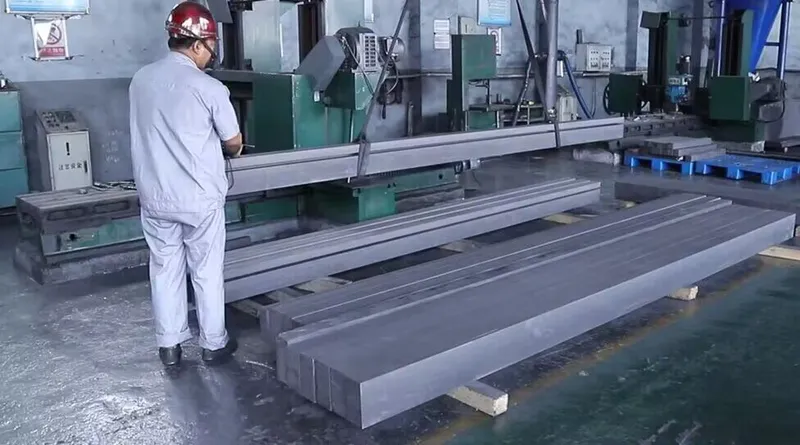
Our Factory
We have a complete factory production, quality supervision and delivery.

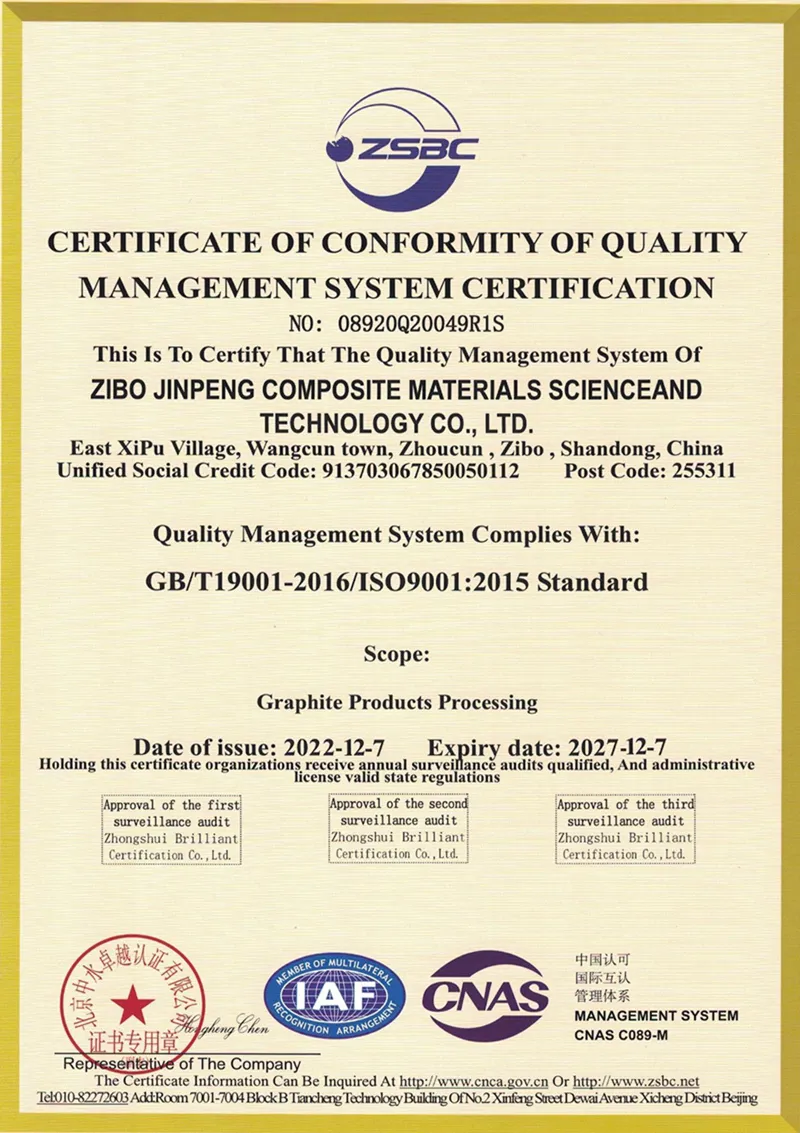
Our Certificate
At present, we have obtained the following certificates.
Ultimate FAQ Guide to Graphite Heating Elements
Q: 1. What is a graphite heating element?
Q: 2. What are the benefits of using graphite heating elements?
Q: 3. How do graphite heating elements work?
Q: 4. What temperature can graphite heating elements reach?
Q: 5. What are the different types of graphite heating elements?
Q: 6. What are the typical applications for graphite heating elements?
Q: 7. How do I choose the right graphite heating element for my application?
Q: 8. What are the key design considerations for graphite heating elements?
Q: 9. How do I install and maintain graphite heating elements?
Q: 10. Can graphite heating elements be customized to meet specific requirements?
Q: 11. What are the most common problems encountered with graphite heating elements?
Q: 12. How can I prevent oxidation of graphite heating elements?
Q: 13. What are the advantages of open-coil graphite heating elements?
Q: 14. What are the advantages of tubular graphite heating elements?
Q: 15. What are the advantages of cartridge graphite heating elements?
Q: 16. What are the key factors to consider when selecting a graphite heating element supplier?
Q: 17. What are the different graphite materials used in heating elements?
Q: 18. What are the benefits of using purified graphite in heating elements?
Q: 19. What are the benefits of using graphite composites in heating elements?
Q: 20. What are the most common forms of carbon used in heating elements?
Q: 21. How can I improve the performance of my graphite heating elements?
Q: 22. Are there any safety concerns when using graphite heating elements?