

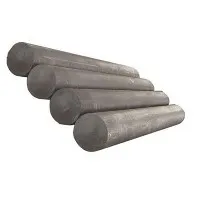
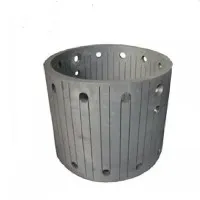


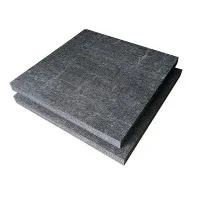


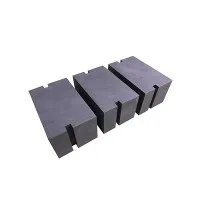




Graphite Tube
Why Choose Zibo Jinpeng Composite Materials Technology Co., Ltd.?

Zibo Jinpeng Composite Materials Technology Co., Ltd. is located in Wangcun Town, Zibo City, Shandong Province, which is a famous graphite carbon industry base in China. Our company mainly produces and processes graphite carbon materials. It has a complete production process and marketing system. It has been engaged in the production and processing of graphite products for more than 20 years. It has built its own production and processing process system and has three national invention patents. It has established extensive technical cooperation relationships with well-known domestic university laboratories such as Shandong University of Technology and Northwestern Polytechnical University and has produced graphite parts for many well-known companies. It has its own related industrial R&D system and testing and testing equipment.
Professional Technical Team
We have more than 20 years of experience and dozens of senior engineers in the graphite R&D, production and manufacturing industry. Whether it is the research and development of graphite raw materials, the precise processing of graphite parts, and the graphitization and purification of related products, our high-level technical team can customize professional solutions for you.
Wide Range of Applications
Our product application range includes the glass industry, high temperature furnace industry, refractory industry, plastics industry, semiconductor electronics industry, photovoltaic industry, pharmaceutical and chemical industry, aerospace industry, metallurgical industry, automotive industry, renewable energy industry, textile machinery manufacturing, glass machinery manufacturing.
Professional Service
Fully communicate with customers before sales, provide professional product suggestions and technical support according to customer needs, and ensure the high quality of products in manufacturing, packaging, logistics and other aspects. During the sale period, Zibo Jinpeng Graphite Factory not only provides on-time delivery services but also provides comprehensive after-sales technical support such as lifetime warranty, technical consultation and problem diagnosis to ensure customer satisfaction and trust. In terms of after-sales service, we attach great importance to customer feedback, promptly solve problems and concerns raised by customers, and continuously improve service quality and efficiency based on customer experience and suggestions.
Wide Product Range
Our main products are Graphite heating elements, Graphite felt & carbon felt & rigid felt, Graphite crucible, etc. At present, North America, Eastern Europe and Southeast Asia are Zibo Jinpeng's main international cooperation destination markets. Thanks to stable product quality and excellent material properties, the graphite products produced by Zibo Jinpeng have a high market share in the fields of smelting, chemical industry, and high-temperature industrial furnace accessories.



What is Graphite Tube?
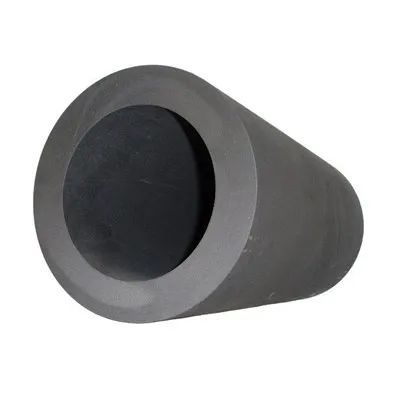
Graphite tube is a cylindrical structure made up of high-purity graphite material. It is mainly used as a heating element in various high-temperature applications such as furnaces, heat exchangers, and chemical reactors. Graphite tubes are known for their high thermal conductivity, resistance to thermal shock, and ability to withstand extreme temperatures. They are also popular in the laboratory industry as a sample introduction system for atomic absorption and plasma emission spectroscopy. Graphite tubes are available in various sizes and shapes depending on the specific application requirements.
Features of Graphite Tube
Low Friction: Graphite has a low coefficient of friction, making it ideal for use in applications where low friction is desired, such as bearings and other mechanical components.
Conductivity:
Graphite tubes have high electrical conductivity due to the presence of free electrons in the graphite lattice. This makes them ideal for use in electrical applications.
Resistance to High Temperatures:
Graphite tubes can withstand high temperatures up to 2000°C, making them suitable for use in high-temperature applications.
Corrosion Resistance:
Graphite is chemically inert and is highly resistant to chemical corrosion, making graphite tubes suitable for use in corrosive environments.
Thermal Shock Resistance:
Graphite tubes have good thermal shock resistance, which means they can withstand sudden and drastic temperature changes without cracking or breaking.
Low Coefficient of Thermal Expansion:
Graphite has a very low coefficient of thermal expansion, making it ideal for use in high-temperature environments where thermal expansion and contraction must be minimized.
Lightweight and Strong:
Graphite tubes are lightweight, yet stronger than many metal materials. This makes them ideal for use in applications where weight is a concern, such as aerospace and automotive industries.
Types of Graphite Tube

Carbon-Bonded Tube
The carbon-bonded graphite tube is a combination of extruded graphite flour, lubricants, and resin. Together, these components form the tube. The tube is then put under a temperature of 1200°C. This makes a tube that contains both amorphous carbons and graphite. The lower production temperature reduces the electricity and the wear and tear on the furnace.
Carbon-bonded tubes may be more affordable than fully graphitized tubes. Carbon-bonded tubes have a porosity of 8 to 10%. This is considered impervious in a bake cycle with phenolic resin. It exhibits better thermal properties than a resin bonded pipeline. It also has increased thermal and mechanical shock resistance.
Resin Graphite Tube
A resin graphite tube consists of graphite powder mixed with a resin binder, which is then extruded to the required length. The large resin concentration creates a non-porous tube that does not require an extra stage of resin impregnation. The tube is subjected to heat at 250°C after the extrusion process and then cut to shape. Resin graphite tubes have the most significant benefit of expense.
The expense can be as little as half that of a tube that is partially graphitized or completely graphitized. However, resin graphite tubes experience corrosion in higher temperatures and harsher environments. This significantly reduces the operating life of a resin graphite bar.


Fully Graphitized Tube
The fully graphitized tubes contain the same simple raw materials as the bonded graphite tubes with steel. The major difference is that in a graphitizing furnace, at 2800°C, the tube is graphitized after the forming process. In this phase, all amorphous oil is extracted. This results in excellent thermal properties. For example, fully graphitized tubes will have the lowest thermal expansion intensity, excellent fatigue tolerance, increased durability, flexibility, and highest thermal conductivity.
Pyrolytic Graphite Tubes
These types of tubes are made from the ideal pyrolytic material, as the coated surface is pure with zero porosity. These graphite tubes are coated with CVD coating. The default thickness of the membrane is usually 30 to 50 micrometers. Pyrolytic graphite tubes are synthesized materials created by the chemical vapor deposition process. The source of carbon for this process is natural gas, like methane. Since the control of the purity of the gas is easier than that of solid graphite, the purity of pyrolytic graphite could be extremely high. The total content of impurities is usually less than 10ppm. Pyrolytic graphite tubes have surfaces that consist of high carbon purity as well as strength with nearly zero porosity.

Advantages of Graphite Tube
*Resistant to acids
*Structural strength
*Impact resistance
*High volume utilization and high heat transfer effect
*Long-lasting and easy to maintain
*When heated from room temperature to 2,000 °C, graphite has the unusual virtue of becoming stronger. The internal tensions in the material affect this characteristic. The internal stresses that occur at room temperature decrease as process temperatures rise, increasing mechanical strength as a result. Increased mechanical robustness enables smaller designs and fewer fixture support systems, which leads to larger batch sizes.
*Mechanical carbon-graphite grades are chemically inert, meaning they are unaffected by significant amounts of the majority of acids, alkalis, solvents, and other comparable compounds. As a result, parts and components created from this unique material are perfect for equipment used in food processing, chemical and fuel handling, as well as pumps, vanes, valves, and industrial processes where corrosion is a big issue.
*Carbon has exceptional thermal shock resistance and is a good heat conductor. Becker carbon-graphite has the ability to "draw" heat produced by friction at seal faces and diffuse it. In applications requiring extremely high thermal conductivity, a graphitized or metal impregnated grade may be desirable.
*Different impregnants are employed to fill the pores in mechanical carbon-graphite since it can be porous. Grades of graphite can range from extremely porous to completely impermeable.
Application of Graphite Tube
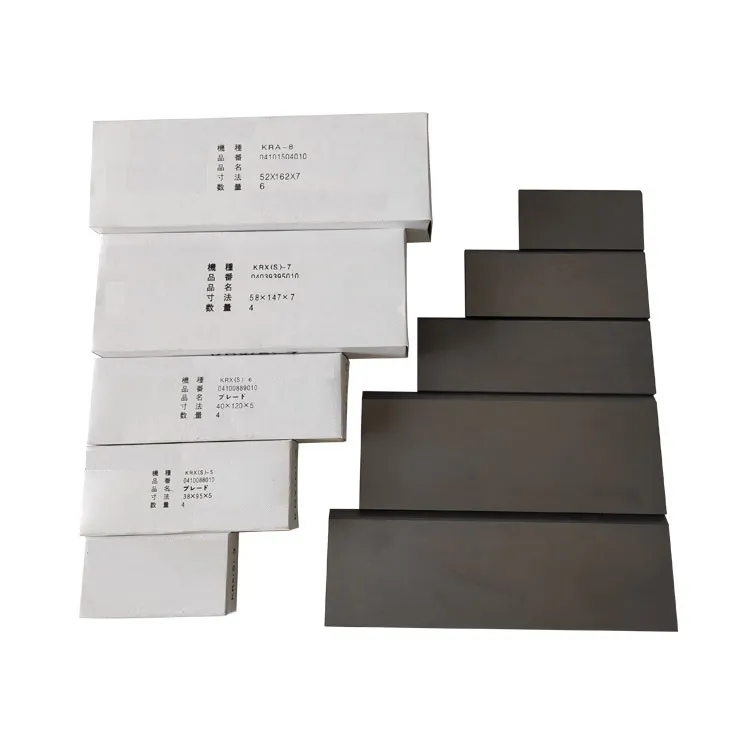
Heat Exchangers:
Graphite tubes are extensively used in heat exchangers due to their exceptional thermal conductivity. They efficiently transfer heat between two fluids, making them ideal for applications in the chemical, petrochemical, and energy industries. Graphite tubes ensure efficient heat exchange while withstanding high temperatures and corrosive environments.
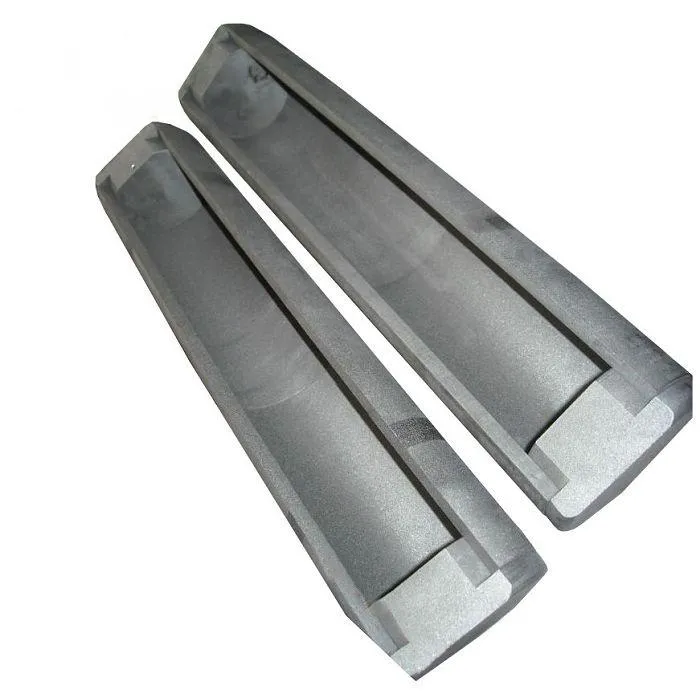
Semiconductor Industry:
The semiconductor industry relies on graphite tubes for the production of silicon wafers. Graphite tubes serve as crucibles or molds for the melting and solidification of silicon during the manufacturing process. Their high purity, thermal stability, and non-reactive nature make them suitable for this critical application.
Furnaces and Kilns:
Graphite tubes find application in high-temperature environments such as furnaces and kilns. They are used as heating elements or electrodes to provide heat and facilitate various industrial processes, including metal smelting, glass manufacturing, and ceramics production. Graphite tubes can withstand extreme temperatures while maintaining their structural integrity.

Analytical Instruments:
Graphite tubes are utilized in analytical instruments such as atomic absorption spectrometers and atomic emission spectrometers. These instruments analyze the elemental composition of samples by vaporizing them using high temperatures. Graphite tubes act as sample holders and vaporization chambers, ensuring accurate and reliable analysis.
How to Select Graphite Tube
Material:
Graphite tubes are available in different grades, including high-density graphite, isostatic graphite, and extruded graphite. Depending on your application, one type of graphite may be more suitable than another. For instance, high-density graphite is ideal for applications that require high strength and resistance to erosion, while isostatic graphite is ideal for applications that require high thermal conductivity and resistance to cracking.
01
Coating:
Many graphite tubes are coated to provide added protection and enhance their properties. Coatings can include resin, ceramic, metal, and other materials. The type of coating you select should depend on the specific application.
02
Size:
Graphite tubes come in different sizes, including diameter and length. You should select a tube that meets your requirements and fits your equipment or system.
03
Tolerance:
Tolerance is important for ensuring the accuracy of your application. Make sure to select a tube with the appropriate tolerance for your needs.
04
Price:
Graphite tubes can vary widely in price depending on the material, coating, size, and other factors. Make sure to select a tube that fits within your budget and provides the necessary performance for your application.
05
How to Maintain Graphite Tube
Keep Them Clean:
Make sure graphite tubes are free from debris and any other contaminants. Use a clean cloth to wipe away any dirt or dust.
Store In a Dry Place:
Graphite tubes are sensitive to moisture. Keep them in a dry place, and avoid exposing them to humidity.
Check for Cracks:
Look for any cracks in the graphite tubes. If you notice any, replace them immediately.
Use Protective Gear:
When handling graphite tubes, make sure you wear protective gear such as gloves and eye protection.
Handle with Care:
Graphite tubes are fragile and can break easily. Handle them with care, and avoid dropping them or exerting too much pressure on them.
Manufacturing Methods of Graphite Tubes

Isostatic Pressing:
Isostatic pressing is a common method used to produce graphite tubes. In this process, graphite powder is placed in a mold and subjected to high pressure from all directions using a hydraulic press. The pressure compacts the graphite particles, resulting in a dense and uniform structure. The molded graphite is then heat-treated to enhance its mechanical strength and remove any residual stresses.
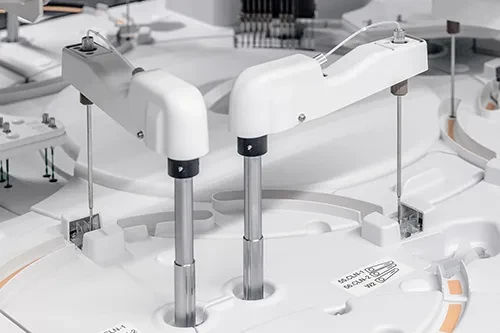
Extrusion:
Extrusion is another manufacturing method employed for graphite tube production. It involves forcing a graphite paste through a die to form a continuous cylindrical shape. The paste is typically a mixture of graphite powder and a binder that provides cohesion during the extrusion process. The extruded graphite tube is then cured to remove the binder and obtain the final product.
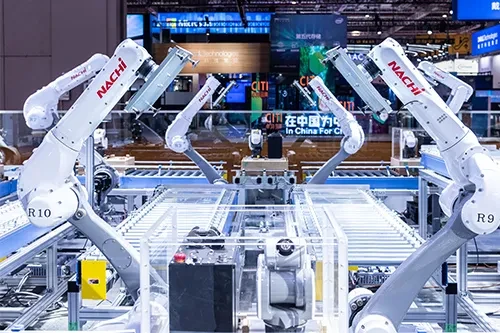
Chemical Vapor Deposition (CVD):
Chemical vapor deposition is a technique used for the production of high-quality graphite tubes. In this method, a substrate material, such as a ceramic rod or a graphite mandrel, is placed in a chamber. A precursor gas, such as methane or acetylene, is introduced into the chamber, and a chemical reaction is initiated to deposit carbon atoms onto the substrate surface. Layer by layer, the carbon atoms form a high-purity graphite structure, resulting in a graphite tube.
Our Factory
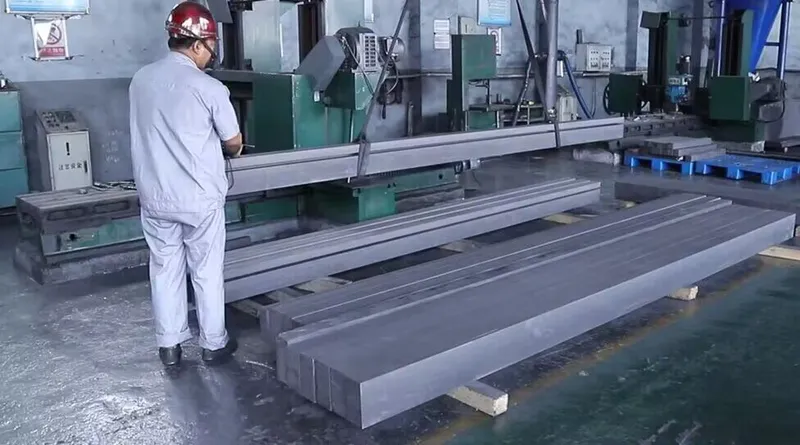
We have a complete factory production, quality supervision and delivery.

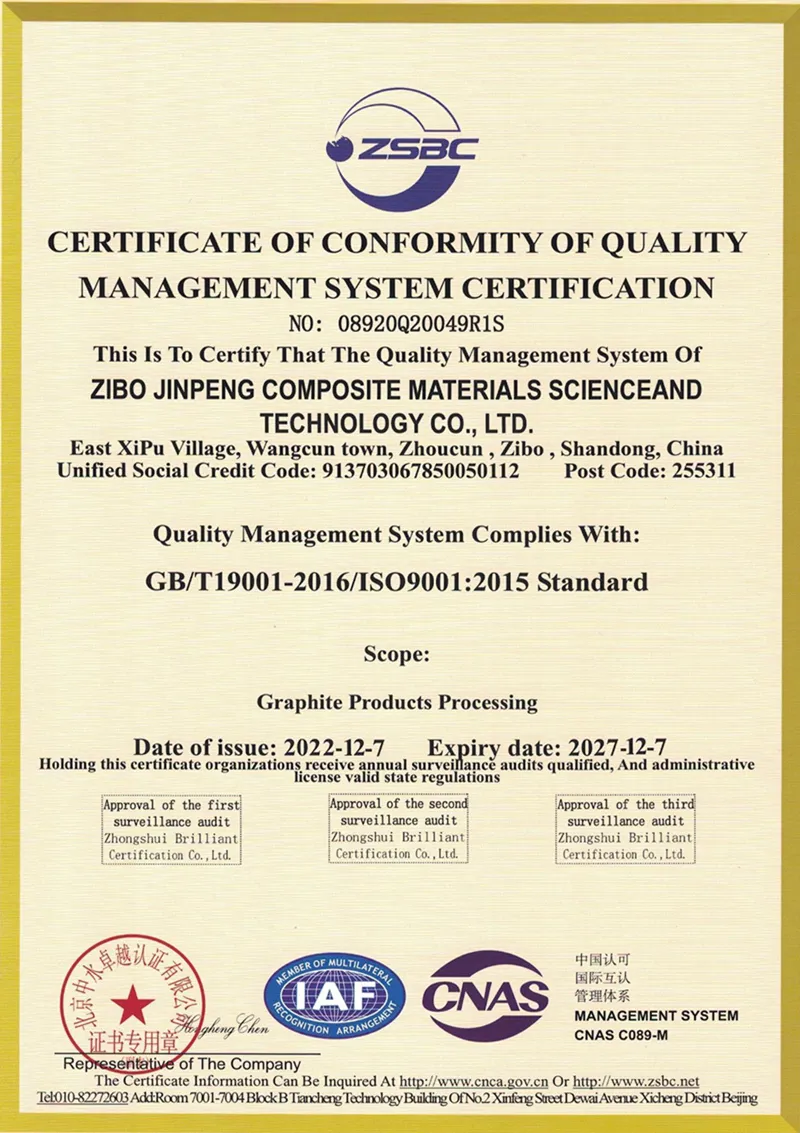
Our Certificate
At present, we have obtained the following certificates.
Ultimate FAQ Guide to Graphite Tube
Q: 1. What is a graphite tube?
Q: 2. What are graphite tubes used for?
Q: 3. What are the benefits of using graphite tubes?
Q: 4. What is the maximum temperature that graphite tubes can withstand?
Q: 5. How is graphite tube made?
Q: 6. What is the difference between a solid graphite tube and a graphite-lined tube?
Q: 7. What are some common sizes for graphite tubes?
Q: 8. Can graphite tubes be customized?
Q: 9. How long will a graphite tube last?
Q: 10. Can graphite tubes be repaired if damaged?
Q: 11. Are graphite tubes easy to clean?
Q: 12. Are there any safety precautions that need to be taken when handling graphite tubes?
Q: 13. How are graphite tubes transported?
Q: 14. Can graphite tubes be recycled?
Q: 15. How do graphite tubes compare to other materials such as steel and aluminum?
Q: 16. Can graphite tubes be used in high-pressure applications?
Q: 17. What are the different grades of graphite tubes?
Q: 18. What are some typical properties of graphite tubes?
Q: 19. Can graphite tubes be used in the aerospace industry?
Q: 20. Can graphite tubes be used in the automotive industry?
Q: 21. Can graphite tubes be used in the medical industry?
Q: 22. How do graphite tubes compare to other carbon-based materials?
Q: 23. Can graphite tubes be used in the chemical industry?
Q: 24. Are graphite tubes environmentally friendly?
Q: 25. Can graphite tubes be used in underwater applications?