







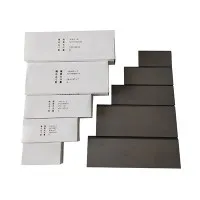
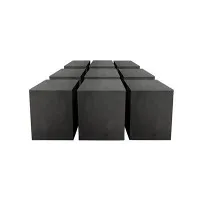


Graphite Felt
Why Choose Zibo Jinpeng Composite Materials Technology Co., Ltd.?

Zibo Jinpeng Composite Materials Technology Co., Ltd. is located in Wangcun Town, Zibo City, Shandong Province, which is a famous graphite carbon industry base in China. Our company mainly produces and processes graphite carbon materials. It has a complete production process and marketing system. It has been engaged in the production and processing of graphite products for more than 20 years. It has built its own production and processing process system and has three national invention patents. It has established extensive technical cooperation relationships with well-known domestic university laboratories such as Shandong University of Technology and Northwestern Polytechnical University and has produced graphite parts for many well-known companies. It has its own related industrial R&D system and testing and testing equipment.
Professional Technical Team
We have more than 20 years of experience and dozens of senior engineers in the graphite R&D, production and manufacturing industry. Whether it is the research and development of graphite raw materials, the precise processing of graphite parts, and the graphitization and purification of related products, our high-level technical team can customize professional solutions for you.
Wide Range of Applications
Our product application range includes the glass industry, high temperature furnace industry, refractory industry, plastics industry, semiconductor electronics industry, photovoltaic industry, pharmaceutical and chemical industry, aerospace industry, metallurgical industry, automotive industry, renewable energy industry, textile machinery manufacturing, glass machinery manufacturing.
Professional Service
Fully communicate with customers before sales, provide professional product suggestions and technical support according to customer needs, and ensure the high quality of products in manufacturing, packaging, logistics and other aspects. During the sale period, Zibo Jinpeng Graphite Factory not only provides on-time delivery services but also provides comprehensive after-sales technical support such as lifetime warranty, technical consultation and problem diagnosis to ensure customer satisfaction and trust. In terms of after-sales service, we attach great importance to customer feedback, promptly solve problems and concerns raised by customers, and continuously improve service quality and efficiency based on customer experience and suggestions.
Wide Product Range
Our main products are Graphite heating elements, Graphite felt & carbon felt & rigid felt, Graphite crucible, etc. At present, North America, Eastern Europe and Southeast Asia are Zibo Jinpeng's main international cooperation destination markets. Thanks to stable product quality and excellent material properties, the graphite products produced by Zibo Jinpeng have a high market share in the fields of smelting, chemical industry, and high-temperature industrial furnace accessories.


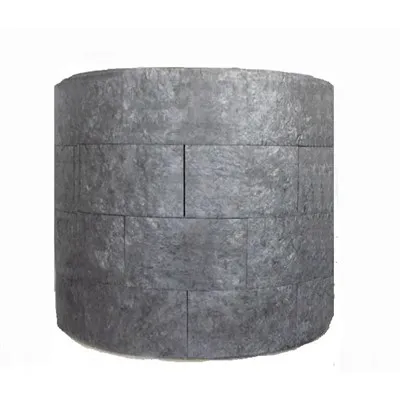
What is Graphite Felt?
Graphite felt is a type of high-temperature insulating material that is made from carbon fibers. It has a soft, flexible texture and can be easily cut and shaped into different forms. Graphite felt is used in a variety of industrial applications, including insulation for furnaces, kilns, and other high-temperature equipment, as well as in the manufacture of advanced batteries, fuel cells, and other energy storage devices. It is highly resistant to heat and chemical corrosion, making it an ideal material for harsh industrial environments.
Features of Graphite Felt
*Easy to cut and install.
*Low density and thermal mass.
*High thermal resistance.
*Low ash and sulfur content.
*No outgassing.
Types of Graphite Felt
Pan Graphite Felt
PAN (PolyAcrylNitrile) is lower in cost.
PAN has coarser fiber and larger fiber diameter = Lower Surface area.
PAN is stiffer and has an "ichier" feeling. Rayon is more flexable and less irritating to the skin
For heat treating applications, PAN carbon felt is the best price.
Rayon Graphite Felt
Rayon is lower in Thermal Conductivity than PAN at temperatures greater than 1800°C.
For handling ease and ultra high temperatures, Rayon is the best choice.
Difference between Pan Graphite Felt&Rayon Graphite Felt
Polyacrylonitrile, also known as PAN, is manufactured with larger diameter course fibers resulting in lower surface area and better oxidation resistance. The flexible material is stiffer and less soft to the touch in comparison to Rayon. The thermal conductivity of Rayon is lower than PAN at temperatures greater than 3272℉(1800℃)
Advantages of Graphite Felt
High Thermal Conductivity:
Graphite felt has excellent thermal conductivity, which makes it useful in high-temperature applications. It can conduct heat up to 800°C, which is much higher than other materials like ceramics and metals.
Lightweight:
Graphite felt is lightweight, which makes it easy to use and transport. This is especially important in aerospace and other industries where weight is a critical factor.
High Resistance to Corrosion:
Graphite felt is highly resistant to corrosion, making it ideal for use in harsh or corrosive environments. This makes it an excellent choice for chemical processing applications.
High Porosity and Permeability:
Graphite felt has high porosity and permeability, which makes it useful as a filter medium. It can be used to remove impurities from liquids and gases.
Low Electrical Resistance:
Graphite felt has low electrical resistance, which makes it useful as an electrical conductor in certain applications. It can be used as an electrode material in batteries and fuel cells.
Flexible:
Graphite felt is flexible and can be shaped into various forms, making it highly adaptable for different applications.
Long Service Life:
Graphite felt has a long service life due to its high resistance to heat, corrosion, and wear, making it a cost-effective choice over time.
Application of Graphite Felt

- Furnace insulation & parts.
- Heat shields & sinks.
- Backing strips for soldering & welding.
- Cathode in flow battery applications.
- Reaction surface for other electro-chemical processes.
- Glass blowing pads & plumber pads.
- Wicks in ultralight stoves.
- Automotive exhaust linings.
- Thermal insulators.
Working principle of Graphite Felt
Graphite felt is a highly porous material composed of carbon fibers that are intertwined and overlapped to create an interconnected network. The working principle of graphite felt is based on its unique structural characteristics and properties.
Graphite felt is an excellent thermal and electrical conductor due to the strong covalent bonds between carbon atoms. When used as a heating element, it can efficiently transfer electrical energy into thermal energy, allowing for rapid and precise heating of the surrounding materials.
Additionally, graphite felt has excellent chemical resistance and thermal stability, making it an ideal material for high-temperature applications. It can function at temperatures as high as 3000°C without significant degradation, making it perfect for use in extreme environments like the aerospace and nuclear industries.
Graphite felt is used in various applications ranging from thermal insulation, fuel cells, flow batteries to hydrogen storage. It can also be used as a catalyst support or electrode material in chemical reactions due to its high surface area and excellent conductivity.
Overall, the working principle of graphite felt relies on its unique structure and properties, which makes it an ideal material for various industrial applications.
Treatment of Graphite Felt
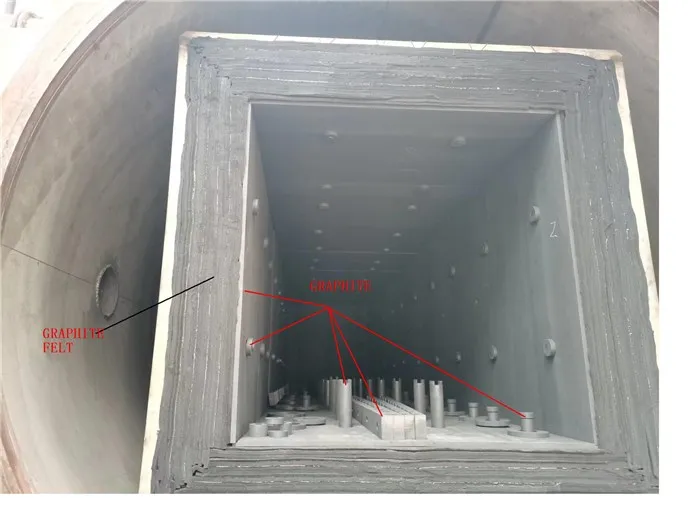
Among many carbon materials, the carbon/graphite felt has the most application prospect. Compared with the metal material, the graphite felt has many advantage such like: large specific surface area, good flexibility, easy to machine and install and the price is low, so it's more suitable to be as electrode material in the vanadium redox flow battery.
Now the problem is how to improve the electrochemical activity of graphite felt. The research and development mainly bifurcated graphite felt modification and the preparation of Graphite felt composite electrode.
1) the modification of graphite felt is to improve the property through modify the surface physical structure (specific surface area, surface morphology) and chemical structure (surface functional group).
It can be divided into two types: oxygen functional groups and nitrogen functional groups.
Use nitrate to treat the carbon/graphite felt, carbon fiber, carbon sheet and graphite rod etc, the result showed that to the graphite/carbon felt and carbon fiber, the content of oxygen has a large increase, however, to the carbon sheet and graphite rod, the content of oxygen has a decrease.
The high content of oxygen does not mean high activity, some researchers believe that appropriate content of oxygen (4.0%~5.0%)is good to the reaction of vanadium battery.
Nitrogen element can change the energy level structure of carbon/graphite material, and to make it with high electrochemical activity. Compared with the oxygen functional groups, it can improve not only electrical conductivity of the material but the hydrophily.
2) the preparation of Graphite felt composite electrode is to increase the electrochemical activity through complex catalysis on the surface of the graphite felt.
The catalyst includes carbon nano-tube, grapheme and metal base (Iridium, Bismuth, Platinum alloy, Tungsten oxide etc.)

Comparison between Graphite felt Vs Carbon felt
Graphite felt is a rayon based material that is an ideal choice for vacuum furnaces or process temperatures above 2000° C. Graphite felt is produced in 0.25” and 0.50” thicknesses in widths up to 1.2 Meters, is typically processed to temperature above 2200° C, and can be purified to less than 20 ppm total ash content.
Carbon felt is a lower-cost alternative to Graphite felt for applications where chemical purity is not as critical. Carbon felt is typically processed to a minimum temperature of 1400° C.
Carbon and Graphite felt is a soft flexible high-temperature refractory insulation typically used in vacuum and protected atmosphere environments up to 5432℉ (3000℃). High purity felt heat-treated to 4712℉(2600℃) and Halogen Purification are available for custom production orders. Additionally, the material can be used in oxidizing temperatures up to 752℉ (400℃).
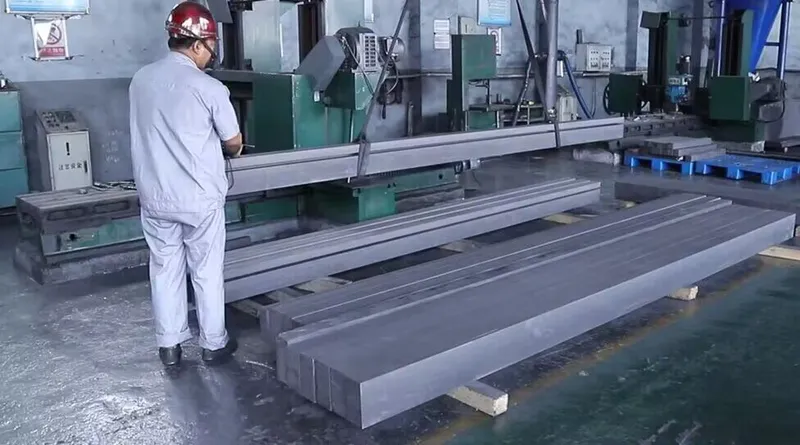
Our Factory
We have a complete factory production, quality supervision and delivery.

Our Certificate
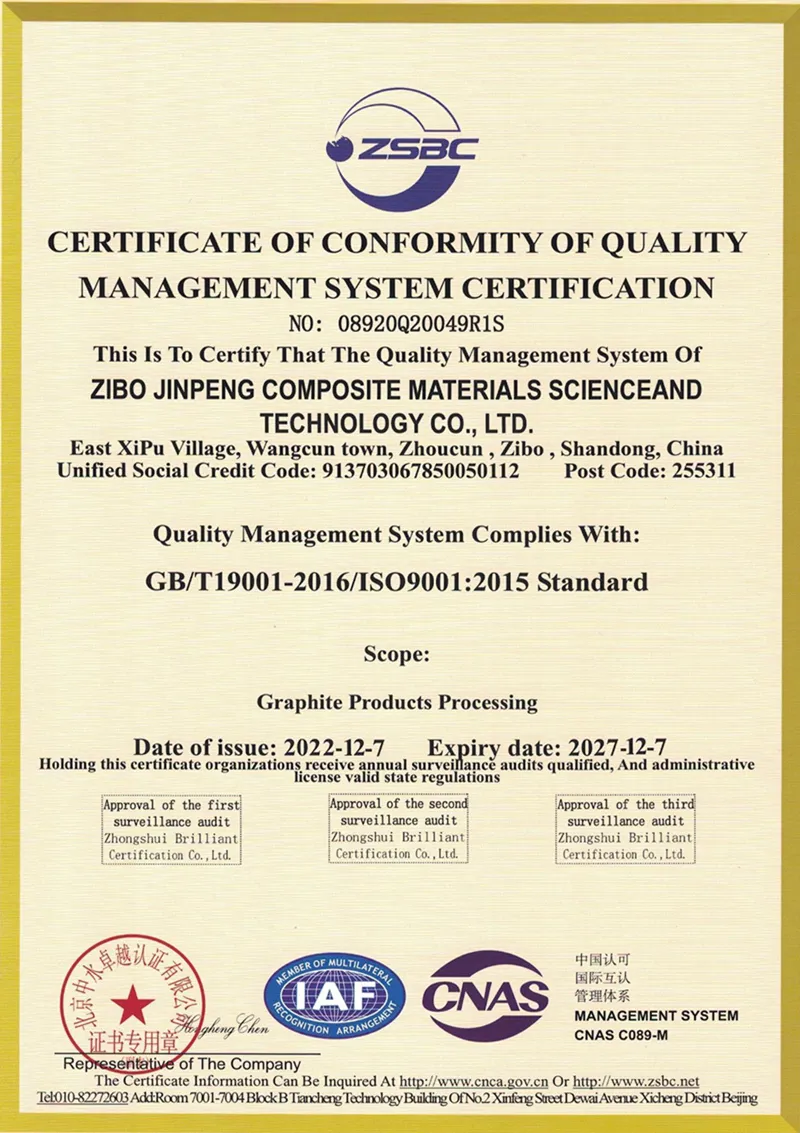
At present, we have obtained the following certificates.
Ultimate FAQ Guide to Graphite Felt
Q: 1. What is graphite felt?
Q: 2. What are the properties of graphite felt?
Q: 3. What are the different types of graphite felt?
Q: 4. What are the applications of graphite felt?
Q: 5. How is graphite felt produced?
Q: 6. How is graphite felt processed?
Q: 7. What is the maximum temperature that graphite felt can withstand?
Q: 8. Can graphite felt be recycled?
Q: 9. Is graphite felt hazardous to health?
Q: 10. How does graphite felt compare to other high-temperature materials?
Q: 11. What are the benefits of using graphite felt in fuel cells?
Q: 12. What type of filtration can graphite felt be used for?
Q: 13. What are the advantages of using graphite felt in insulation?
Q: 14. What is the difference between rigid and flexible graphite felt?
Q: 15. How do you cut graphite felt?
Q: 16. What are the key properties of graphite felt for use in thermal insulation?
Q: 17. What are the benefits of using graphite felt in aerospace components?
Q: 18. Can graphite felt be used for sound insulation?
Q: 19. What are the main factors to consider when selecting graphite felt?
Q: 20. What is the density range of graphite felt?
Q: 21. What is the thickness range of graphite felt?
Q: 22. What is the porosity range of graphite felt?
Q: 23. How is graphite felt used in fuel cell applications?
Q: 24. Can graphite felt be customized to specific applications?
Q: 25. What are the key benefits of using graphite felt in filtration applications?
Q: 26. What types of chemicals is graphite felt resistant to?
Q: 27. Is graphite felt a good electrical conductor?
Q: 28. Can graphite felt be used in vacuum applications?
Q: 29. How is graphite felt cleaned?
Q: 30. How does graphite felt compare to other high-temperature materials in terms of cost?