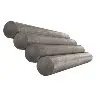
As glass has become an increasingly popular material for use in various industries, there has been a need for a reliable and efficient method for shaping and forming it. One solution that has emerged is the use of graphite molds. In particular, graphite molds have proven to be effective for 3D glass forming due to their fast heat conductivity, ability to produce complete forms and resistance to oxidation. In this article, we will explore some of the frequently asked questions surrounding the use of graphite molds for glass forming.
FAQ 1: What Is a Graphite Mold and How Does It Work?
A graphite mold is a specialized type of mold used to form glass. Graphite is an excellent material for molds as it has high thermal conductivity, is durable and does not react with glass. The mold is first designed according to the desired shape and size of the glass product. Once the mold is created, it is heated to a high temperature and coated with a release agent. The glass is then melted and poured into the mold. Once the glass has hardened, the mold is cooled and removed, leaving behind a fully formed glass product.
FAQ 2: What Are the Advantages of Using a Graphite Mold for Glass Forming?
One of the primary advantages of using a graphite mold for glass forming is its fast heat conductivity. This means that the mold can quickly absorb and distribute heat, allowing the glass to cool and harden quickly. Additionally, graphite molds can produce complete forms, resulting in products with consistent thickness and shape. Another advantage of graphite molds is that they are highly resistant to oxidation, ensuring that the glass product remains clear and transparent.
FAQ 3: What Types of Glass Products Can Be Formed Using Graphite Molds?
Graphite molds can be used to form a wide range of glass products in various shapes and sizes. Some common glass products that can be formed using graphite molds include bottles, jars, vases, tableware, and decorative objects. Additionally, graphite molds can be used to create complex shapes with intricate details that would be difficult or impossible to produce using other methods.
In conclusion, graphite molds have proven to be an effective and efficient method for forming glass products. Their heat conductivity, ability to produce complete forms, and resistance to oxidation make them an ideal choice for many glass-forming applications. With the ability to produce a wide range of products with intricate details, graphite molds offer a versatile solution for glass manufacturers and designers alike.
Jan 30, 2024
Leave a message
3D Glass Used Graphite Mould.
Send Inquiry