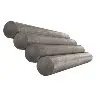
FAQs about Graphite Molds for Metallurgy
1. What are graphite molds used for in metallurgy?
Graphite molds are used for shaping and forming metal alloys through the process of sintering. Sintering is the process of heating metal powders to a sufficiently high temperature to cause the particles to fuse together, effectively creating a solid mass of metal. Graphite molds are used because of their high thermal conductivity and chemical inertness. They are able to withstand the high temperatures required for sintering metal alloys and will not react with the metal being processed.
2. What types of metals can be processed using graphite molds?
Graphite molds can be used to process a wide range of metal alloys, including iron, copper, aluminum, zinc, nickel, and more. Graphite molds are particularly effective in processing high-melting-point metals such as tungsten and molybdenum. The molds can be customized in various shapes and sizes to accommodate the specific requirements of the metal alloy being processed.
3. How long do graphite molds typically last?
The lifespan of graphite molds used in metallurgy depends on a number of factors, including the specific type of mold used, the frequency of use, and the conditions in which the molds are stored. With proper care, graphite molds can last for several years, even with frequent use. It is important to properly clean and maintain the molds to prevent the buildup of carbon residue and other impurities that can degrade the performance of the mold over time.
Jan 12, 2024
Leave a message
Why Are Graphite Molds Used For in Metallurgy?
Send Inquiry