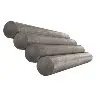
FAQ 1:What are the unique characteristics of graphite materials produced by molding?
Graphite materials produced by molding have several unique characteristics that make them an ideal choice for a variety of applications. Firstly, they have high thermal conductivity, which makes them perfect for use in heat exchangers and other applications where temperature control is critical. Secondly, they have excellent mechanical strength and durability, which means they can withstand high levels of stress and pressure without becoming damaged. Finally, they are chemically inert, which means they do not react with other materials and are therefore suitable for use in harsh chemical environments.
FAQ 2:What are the advantages of using molded graphite electrodes in electric arc furnaces?
Molded graphite electrodes are a popular choice for use in electric arc furnaces because they offer several advantages over other types of electrodes. Firstly, they have a high level of electrical conductivity, which means they can deliver a large amount of energy to the furnace with minimal resistance. This in turn leads to improved efficiency and faster production times. Secondly, they have a low coefficient of thermal expansion, which means that they can withstand high temperatures without expanding or contracting, which can lead to damage to the furnace and other equipment. Finally, they have excellent resistance to chemical corrosion, which means they can withstand the harsh chemical environment of the furnace without becoming damaged.
FAQ 3:What is the process for molding graphite materials?
The process for molding graphite materials involves several steps. Firstly, the graphite powder is mixed with a binder to create a paste that can be formed into a specific shape. Secondly, the paste in the shape of a mold is placed into a press and compressed under high pressure, which helps to eliminate any air pockets and ensures that the material adheres to the shape of the mold. Finally, the mold is heated to a high temperature, which causes the binder to evaporate and the graphite particles to bond together, creating a solid, durable material with the desired shape and characteristics. Additional steps may be required depending on the specific application, such as the addition of additional materials to enhance conductivity or other properties.
Feb 16, 2024
Leave a message
What Are The Molding Graphite Material?
Previous
What Is Graphite Boat?Send Inquiry