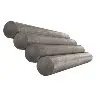
FAQ 1: What is a graphite electrode plate and what are its uses?
A graphite electrode plate, also known as a graphite rod, is a type of electrode that is used in various industries. It is mainly used in industrial wastewater treatment, where it is used as an electrode plate for electrolysis processes. It is made of high-quality graphite materials and has corrosion-resistant and oxidation-resistant properties, which make it ideal for use in harsh conditions. It is also used in foundries for melting and casting metal alloys, as well as in the production of steel and other metals.
FAQ 2: How does the graphite electrode plate work in wastewater treatment?
In wastewater treatment, the graphite electrode plate is used as an anode or cathode in an electrolysis cell. The electrode passes an electric current through the water, causing the water molecules to be broken down into their constituent parts. This process is known as electrolysis. The electrode also attracts ions, such as heavy metals and organic pollutants, which are then removed from the water. The result is clean water that can be safely discharged into the environment or reused.
FAQ 3: What are the benefits of using a graphite electrode plate in wastewater treatment?
There are several benefits to using a graphite electrode plate in wastewater treatment. Firstly, graphite is highly resistant to corrosion and oxidation, which means it can withstand harsh chemical and environmental conditions. This makes it a more durable and long-lasting choice for electrode plates. Secondly, it is an efficient material for electrolysis, which makes the wastewater treatment process faster and more effective. Finally, graphite is a more eco-friendly material compared to other electrodes, as it can be recycled and reused, reducing waste and overall environmental impact.
Jan 20, 2024
Leave a message
What Is A Graphite Plate Used For ?
Send Inquiry