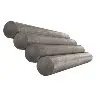
A graphite mold is a mold made of graphite material, which is widely used in various industrial fields, especially in manufacturing and processing processes under high temperature and corrosive environments. Graphite molds mainly utilize the excellent properties of graphite materials, such as high heat resistance, corrosion resistance, good electrical and thermal conductivity, low thermal expansion coefficient and excellent lubricity.
A graphite mold consists of 5 parts:
1. Mold body: The main part of the mold, used for molding and processing parts. Depending on the specific use and shape, the mold body can have different structures and designs.
2. Mold core: Used to form the internal structure of the part to ensure the precise shape and size of the part.
3. Mold insert: Used to increase the durability and service life of the mold, usually installed in parts that are prone to wear.
4. Cooling system: Some graphite molds need to be cooled during use to prevent the mold from overheating, thereby extending its service life.
5. Guide device: Ensure the accurate alignment of the mold during use and ensure the accuracy of the processed parts.
Graphite molds are widely used, including:
Metal casting: used for melting and casting of high-temperature metals such as aluminum, copper, zinc, etc.
Glass manufacturing: used for molding and processing of glass products.
Semiconductor manufacturing: used for the growth and processing of semiconductor materials.
Heat treatment: used for high-temperature heat treatment processes of metals and alloys.
Chemical industry: used for reactions and processing in high-temperature and highly corrosive environments.